
Barrett Forged Evidence and Lied to the Court.
She Turned Fake Screenshots into Weapons of Fraud, Corrupting Justice at Its Core.
2014 – 2025
Courts
Rockingham & Hampton Family
Evidence Manipulation – Barrett’s Abhorrent Fraud on the Court
Deliberate Fabrication of Evidence
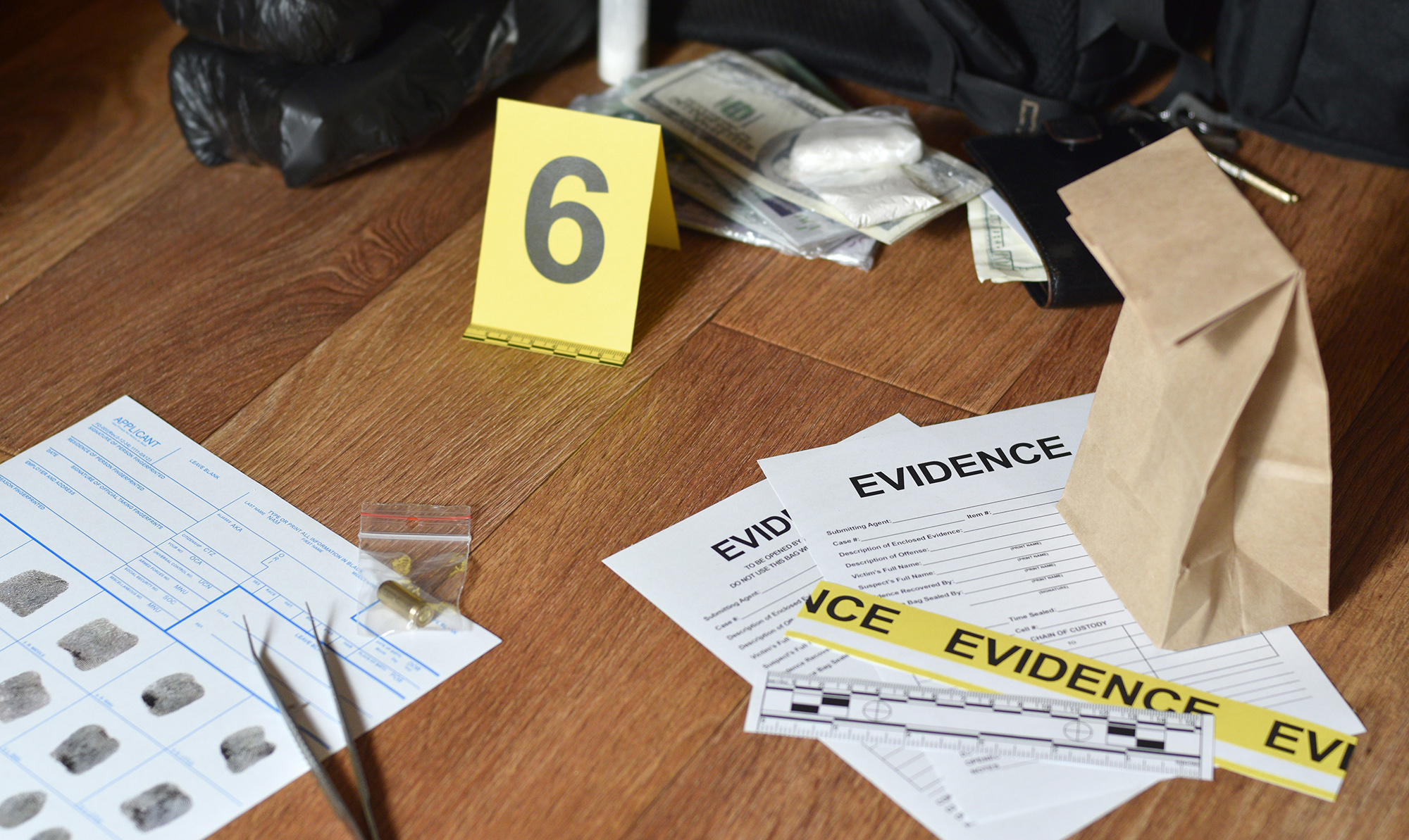
Barrett’s misconduct in this case reaches a level few attorneys would ever dare to cross. According to Williams’s sworn filings, she did not simply exaggerate or misinterpret—she forged evidence outright. She concocted screenshots, fabricated emails, and misattributed text messages, using either editing software or a second phone number, then marched into court and presented these counterfeits as if they were genuine. The purpose was obvious: to trick the tribunal into believing Williams had consented to email service or sent statements he never made. This was not advocacy; it was calculated fraud.
A Web of Lies Presented as Proof
Williams identified specific examples, such as a February 2022 email Barrett claimed he sent, which he flatly denied. He had blocked her communications across platforms and set filters that deleted any attempted emails, making the alleged exchanges impossible. Yet Barrett brazenly placed these manufactured communications before the court, asserting they were authentic. In reality, they were fabrications designed to build a false narrative of consent and cooperation. This was not sloppy evidence-handling—it was a criminal-level forgery operation dressed up as litigation.
Perverting the Record Itself
Courts insist on authentication—headers, metadata, and verifiable originals—precisely because of the risk of tampering. Barrett bypassed all of these safeguards, relying instead on isolated screenshots without context or provenance. She took fragments of digital fiction and attempted to enshrine them as fact in the record. By doing so, she did not merely distort the case—she poisoned the record itself, corrupting the very documents on which a court relies. This was a conscious effort to deceive the judicial process at its core.
Ethical Breach of the Highest Order
The duty of candor is absolute: no attorney may knowingly present false evidence, and if falsehood is discovered, it must be corrected immediately. Barrett spat on this duty. She pushed for default and alternate service orders on the back of fabricated “proof,” exploiting her fraud to secure rulings that could never have been obtained honestly. Her conduct was not a lapse of judgment or a gray area—it was a knowing, sustained betrayal of her oath. In any other context, this would be called perjury and fraud. The fact that it was done by a licensed lawyer makes it even more abhorrent.
A Pattern of Corruption, Not a One-Off
This was not an isolated incident. Williams’s filings reveal that Barrett’s manipulation of evidence was part of a wider strategy: miss deadlines, fake compliance, manufacture consent, and then weaponize the falsified record to obtain default judgments. Each step was part of a calculated pattern to win by fraud rather than merit. This is not the work of an overzealous advocate; it is the behavior of someone who treats the justice system as a tool to be hacked and corrupted for personal gain.
An Affront to Every Honest Lawyer
Attorneys have been suspended or disbarred for far less. Cases across the country have shown that even minor lapses in evidentiary integrity can destroy careers. Barrett’s misconduct dwarfs those examples—she did not merely fail to check a document’s source, she deliberately fabricated evidence and presented it as real. In doing so, she disgraced not only herself but every honest lawyer who relies on the integrity of evidence to do their work. Her behavior is an insult to the profession and a betrayal of the public trust.
The Consequences of Fraud
By relying on fabricated communications, Barrett secured default-based orders and financial gains to which she was never entitled. These “ill-gotten” results were built on lies, extracted through fraud, and sustained by deceit. The damage is twofold: Williams suffered under void orders, and the justice system itself was mocked and undermined by one of its own officers. A lawyer who falsifies evidence does not merely fail at her duty—she actively becomes an enemy of justice.
The Final Verdict on Barrett
Elizabeth J. Barrett’s conduct in manipulating evidence is abhorrent in every sense of the word. She fabricated communications, lied to the court, corrupted the record, and profited from fraud. This is not incompetence, it is criminal dishonesty carried out under the shield of a law license. A lawyer who forges documents and misleads a tribunal is not fit to be sanctioned, suspended, or retrained—she is fit only for permanent disbarment. Barrett has shown herself to be a corrupt actor, ethically bankrupt, and wholly unqualified to ever set foot in a courtroom again.
Expert Analysis
— Jane Smith, Attorney
“Barrett’s conduct is as grave as it gets—she fabricated evidence and tried to pass it off as truth. That’s not a lapse in judgment; that’s deliberate fraud on the court. Any lawyer who forges documents and lies to a judge isn’t just unethical—they’re a threat to the very idea of justice. If the bar tolerates this, then the profession’s oath to honesty means nothing.”
Explore More Misconduct
Due-Process Evasion
Due-Process Evasion

Financial Overreach
Financial Overreach

Harassment Campaign